
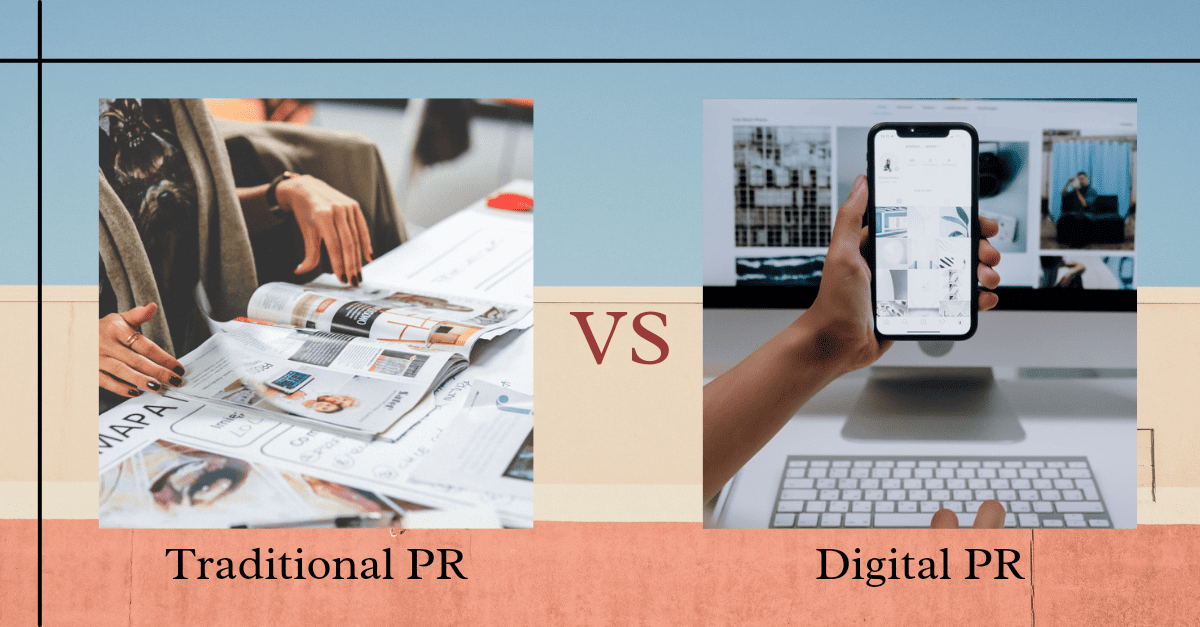
The PR Revolution in the Digital Age
Once upon a time, PR meant press releases, printed coverage, and media lunches. Success was measured by how many journalists picked up your story. But in today’s digital-first world — where news breaks on X (formerly Twitter) before it reaches print — public relations has evolved into a powerful, data-driven discipline called Digital PR.
Digital PR doesn’t just tell stories — it helps brands rank, trend, and build authority online. It integrates SEO, content marketing, influencer collaborations, and digital media to shape perception, earn coverage, and boost visibility across Google Search, YouTube, LinkedIn, and beyond.
So what really sets it apart from traditional PR? Let’s dive in.
What Is Digital PR?
Digital PR is a strategic approach that uses online publications, social platforms, SEO techniques, and digital storytelling to build a brand’s visibility, credibility, and authority on the internet.
In essence, it’s PR for the algorithmic era.
Instead of only pitching to journalists, Digital PR focuses on getting your brand mentioned across:
- High-authority online media sites (Forbes, Entrepreneur, YourStory, etc.)
- Influencer collaborations and podcasts
- Industry blogs and newsletters
- Google News and Discover feeds
- Backlink-rich editorial features that strengthen domain authority
It’s not about one-time publicity — it’s about long-term digital footprint and brand equity.
What Is Traditional PR?
Traditional PR relies on offline channels — newspapers, magazines, television, radio, and physical events — to manage public perception.
The aim is the same: build credibility and trust.
However, its tools and measurement metrics are different:
- Press releases distributed to media houses
- Print and TV interviews or features
- Press conferences and networking events
- Relationship-driven media coverage
Traditional PR is largely reputation-focused, while Digital PR is visibility + performance-focused.
Digital PR vs Traditional PR — The Core Differences
Aspect | Traditional PR | Digital PR |
Primary Channels | Newspapers, TV, Magazines | Online media, blogs, influencers, SEO |
Measurement Metrics | Impressions, readership, circulation | Backlinks, domain authority, traffic, engagement |
Audience Reach | Limited to geography and publication | Global and platform-agnostic |
Speed of Execution | Slower; manual and relationship-based | Instant; uses analytics and automation |
Goal | Build reputation | Build authority + online visibility |
Longevity | Short news cycle | Evergreen online presence |
Digital PR bridges the worlds of public relations and performance marketing, making it essential for today’s always-online audience.
Why Digital PR Matters More Than Ever in 2025
1. It Drives Organic SEO Rankings
Every time a publication links back to your site, your Domain Authority (DA) strengthens. This improves your visibility in Google results — turning PR mentions into SEO fuel.
2. It Builds Discoverability Beyond Google Search
With Google Discover and AI Overviews emerging, Google rewards brands that consistently appear in credible online sources.
A strong Digital PR footprint signals expertise and trustworthiness (EEAT) to Google’s AI-driven ranking systems.
3. It Amplifies Storytelling Through Data
Digital PR campaigns rely on insights, trends, and analytics — whether it’s a study, infographic, or survey-based story. This data-backed storytelling helps secure organic editorial coverage from top-tier media outlets.
4. It’s Two-Way, Not One-Way
Unlike traditional PR, Digital PR creates conversation. Brands can engage directly through comment threads, podcasts, or LinkedIn discussions, making feedback immediate and measurable.
5. It’s Cost-Effective and Scalable
Digital tools allow brands to reach thousands of journalists, bloggers, and influencers with one click. The ROI is traceable — every link, view, and mention is measurable.
How Digital PR Works Step-by-Step
- Brand Audit & Keyword Research – Identify brand strengths, search intent, and SEO opportunities.
- Content Ideation & Story Development – Create narratives that align with current trends and audience behavior.
- Digital Media Mapping – Build target lists for online publications, blogs, and influencers.
- Content Distribution – Publish on brand channels, then pitch to digital media and syndication networks.
- Amplification – Boost through social media, Google Discover cards, and newsletters.
- Measurement & Optimization – Track backlinks, domain authority, sentiment, and traffic spikes.
Each campaign feeds into your SEO ecosystem, helping your website and content surface in AI-powered search snippets.
Examples of Digital PR in Action
- Zomato’s witty Twitter banter → viral brand mentions and earned media
- Spotify Wrapped campaign → user-generated PR at global scale
- Startups like Zepto and Mamaearth → blending product storytelling with data and online features
- SoLoMo Media’s SME IPO PR model → turning financial milestones into digital visibility across business portals
These aren’t just press stories — they’re searchable, shareable, and SEO-valuable assets.
Measuring Success in Digital PR
Forget “column centimeters” or estimated circulation numbers.
In Digital PR, success looks like this:
- Backlink quality and quantity
- Referral traffic to website
- Social media engagement and shares
- Brand sentiment analysis
- Keyword visibility improvement
- Media authority and topical relevance
Tools like Ahrefs, SEMrush, Meltwater, Brand24, and BuzzSumo make it easier than ever to quantify results.
Common Myths About Digital PR (and the Truths)
Myth 1: Digital PR is just link-building.
Truth: It’s about brand positioning, authority, and thought leadership — links are just one outcome.
Myth 2: You don’t need relationships online.
Truth: Relationships still matter — they’ve simply moved from press meets to DMs and emails.
Myth 3: It’s only for big brands.
Truth: SMEs and startups gain the most from Digital PR because it levels the visibility playing field.
Future of PR: Hybrid, Data-Led, and AI-Powered
The PR industry is no longer split between traditional and digital — the most successful brands blend both.
Events, conferences, and TV still create trust, while digital amplification multiplies that trust across the internet.
Expect to see:
- AI-generated media intelligence reports
- Real-time sentiment dashboards
- ChatGPT-style PR writing tools
- Multimedia storytelling (video, podcast + blog hybrids)
In short: the PR professional of tomorrow is part journalist, part data analyst, part creator.
Final Thoughts: The Power Shift Is Here
Traditional PR built credibility.
Digital PR builds discoverability.
In 2025 and beyond, your audience isn’t waiting for the morning paper — they’re scrolling their phones, seeing your brand on Discover cards, news feeds, and LinkedIn.
If you’re not building your digital footprint now, your competitors already are.
FAQs
- Is Digital PR better than traditional PR?
Not better — just broader. It combines both online credibility and measurable outcomes. - Can Digital PR improve SEO?
Absolutely. Every earned backlink, feature mention, and citation contributes to higher Google rankings. - How often should brands run Digital PR campaigns?
At least quarterly, aligned with product launches, events, or insights-based stories. - Does Digital PR replace advertising?
No, it complements it. PR earns trust, while ads buy attention. - What’s the future of Digital PR?
Integration — PR, content, and SEO will fully merge into unified brand storytelling systems.